Field notes.
Updates, announcements and technical guides from the Tensormix team.
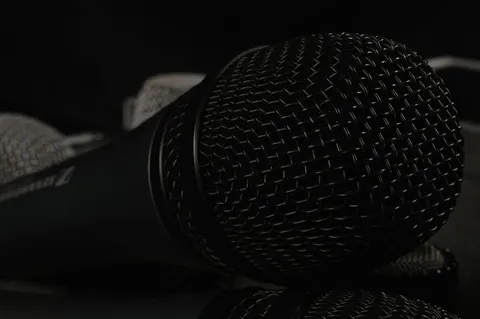
How to mix screamed vocals so the words come through
Screamed vocals spike 10-15 dB above their body and pile overtones into the same 2-4 kHz zone as distorted guitars. A three-part approach to the onset, the harshness, and the consonants keeps the words legible instead of buried.
Stereo width explained: beyond the Haas delay
A Haas delay is one tool among five. Stereo width comes from correlation, mid/side balance, or arrival-time difference. Knowing which one to move changes everything.

Soft clipping vs limiting: why a clipper fixes loudness without pumping
A clipper taking 1 dB off transient peaks will get you more usable loudness than a limiter pulling 3 dB, and it won't pump on every kick. Here's when to reach for each one.
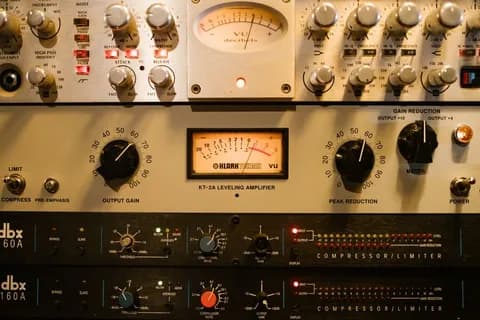
Multiband compression explained for producers who keep stacking EQs
A multiband compressor targets dynamics in specific frequency zones instead of across the full mix. If you're stacking EQs to fix the same problem repeatedly, multiband is probably the tool you need.
Dynamic EQ explained
A dynamic EQ threshold catches only the problem when it arrives, leaving the rest of the signal untouched. Here's what it replaces and how to dial it in.
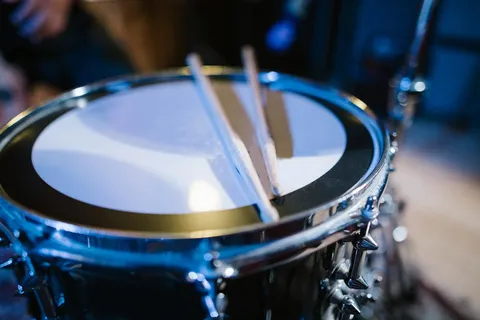
What separates a live drum and bass break from a flat edit
The difference between a break that breathes and one that sounds like a loop comes down to three details most edits strip away: ghost notes between the main hits, the room tail after each crack, and the high end that time-stretching takes.

How Daniel Avery builds blown-out techno textures on Ultra Truth
The grainy, drifting synths on Ultra Truth aren't luck. Avery layers tape saturation across every channel, stacks three different reverbs, and keeps the hiss. Here's how to build that sound in your DAW.
Where to use saturation in your mix
Saturation on the master bus is safe and boring. The real work happens on bass DIⅡs, snare mics, vocals, and synths - where it generates the harmonics your small speakers can play.
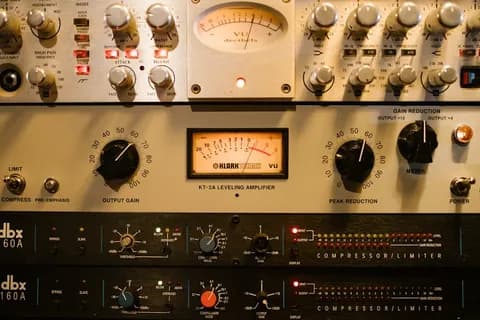
Five plugins for soft-clipping drums without losing the snap
Soft clipping on drums closes the gap between a kit that sounds fine and one that hits like a record. Here's which plugin works for kick channels, snares, and full drum buses.
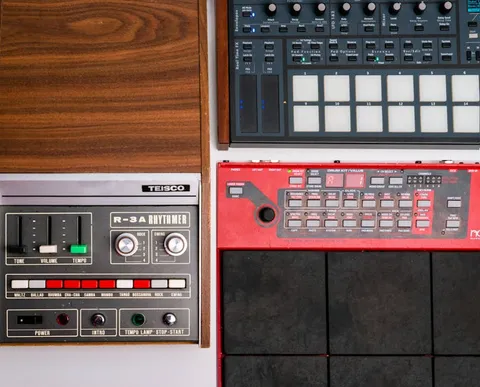
How Aphex Twin's drum programming on Drukqs still sounds impossible to copy
Every hi-hat is a different pitch, every snare lands slightly off the grid, and a stretched break drifts underneath like a second drummer. Twenty-four years later, almost nobody can (or can be bothered to) replicate it.
Why your deep house track sounds smaller than the reference
Your mix is tight on paper but smaller in the room. Before reaching for another compressor, the problem often stems from stereo sub information, kick-and-bass frequency collision, stab low end, or reverb tail buildup.
When to reach for a transient designer instead of a compressor
A compressor squashes everything past the threshold. A transient designer reshapes the front and back of a sound independently, leaving the rest untouched. That's the difference between a blunt tool and a surgical one.